
 English
 Chinese
 French
 German
 Russian
 Italy
Italy Spain
Spain Portugal
 Japanese
 Korean
 Arabic
 Traditional
Products
Equine Reproductive Artifcial Insemination

Equine Reproductive Artifcial Insemination
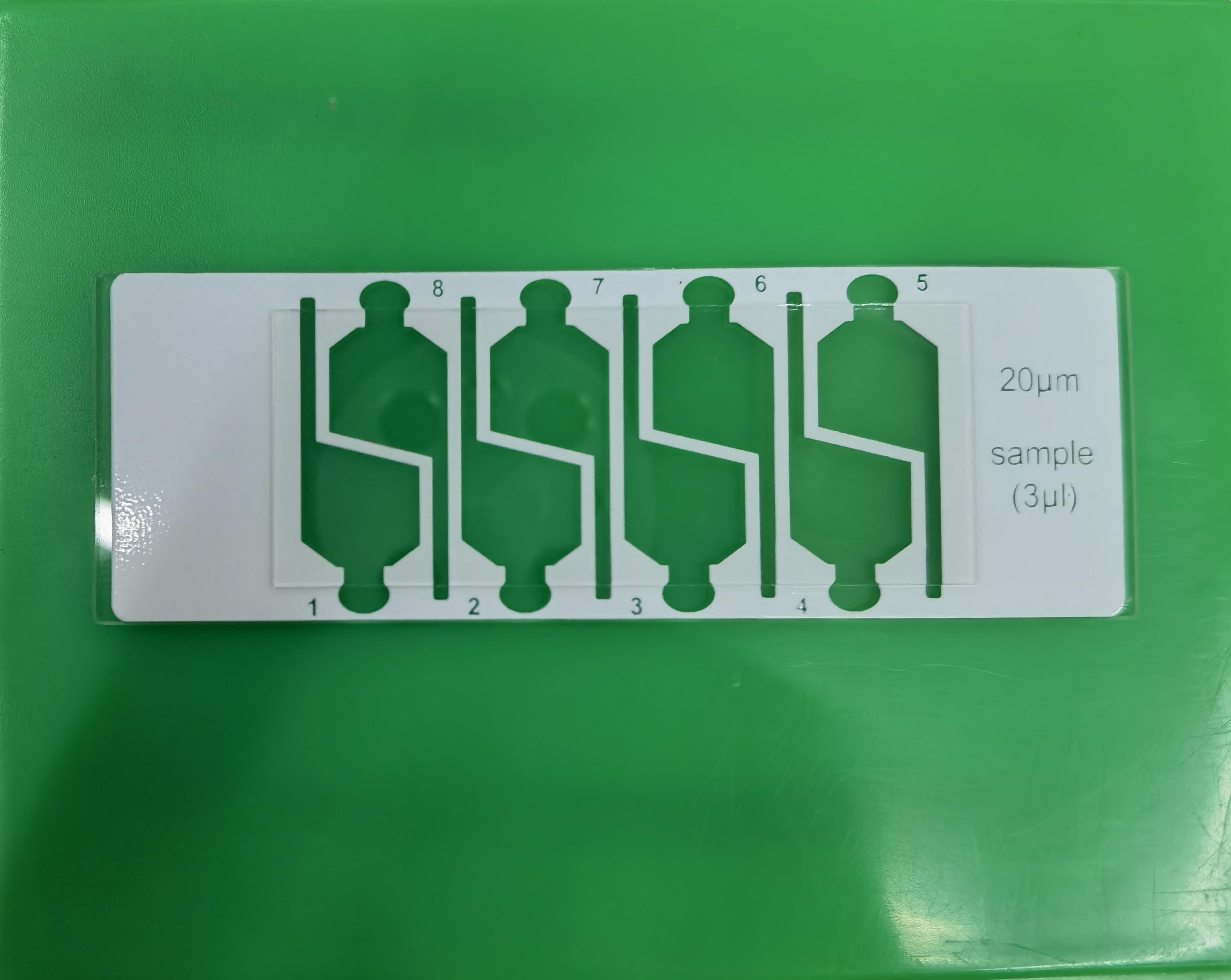

Scan the phone
A CASA sperm counting chamber slide is a specialized, often disposable, microscope slide with precisely engineered micro-chambers used with Computer-Aided Sperm Analysis (CASA) systems to quickly, accurately, and objectively measure sperm concentration, motility, and other kinematic parameters by capturing video images of sperm within its fixed depth. These slides (like AISHENSI, Leja) ensure uniform cell distribution via capillary action, allowing automated software to count and track sperm movement for detailed fertility analysis.
How it Works with CASA:
Loading: A small volume (e.g., 5 µL) of semen is placed on the slide's chamber.
Distribution: Capillary action draws the fluid evenly into the chamber, creating a single layer of sperm.
Imaging: A microscope with a video camera captures images of the sperm within the chamber.
Analysis: CASA software analyzes these images to calculate concentration, velocity, linearity, and other parameters, providing objective data.
Key Features & Types:
Fixed Depth: Chambers have a precise depth (e.g., 10µm, 20µm) to ensure sperm are in a single plane for accurate counting and motility assessment.
Disposable: Minimizes contamination and cleaning, reducing clinician exposure.
Chamber Formats: Available in various configurations (e.g., 2, 4, or 6 chambers per slide) for duplicate or multiple analyses.
Materials: Made from non-toxic materials (glass or plastic) to prevent adverse effects on sperm.
Benefits:
Objectivity & Accuracy: More reliable than manual methods.
Efficiency: Faster analysis for high-throughput labs.
Standardization: Provides consistent results, crucial for fertility assessment
What is best China brand disposable casa sperm counting leja chamber slide for the world advanced casa software system?
China AISHENSI CASA disposable counting chamber slide is perfectly match with the world popular CASA Software system for automatic semen analysis.
1. Hamilton Thorne Computer Assisted Sperm Analysis
CASA (Computer Assisted Sperm Analysis) image analysis systems are designed to bring quality, efficiency, and reliability to studies of reproductive cells in the human fertility*, animal sciences, and reproductive toxicology fields. Our sperm analyzers assist researchers and clinicians in analyzing sperm motility, morphology, or other characteristics in human fertility, toxicology, research, and animal applications. IVOS II CASA Sperm Analyzer, CEROS II Microscope Sperm Analyzer, TOX IVOS II CASA Semen Analyzer
2. MICROPTIC CASA Systems SCA CASA System for semen analysis allows the accurate, repetitive and automatic assessment of the following sperm parameters: motility, concentration, morphology, DNA fragmentation, vitality, acrosome reaction and leukocytes.
3. Minitube AndroVision: CASA software with PC and monitor
AndroVision CASA Analyzer is a highly precise automated system for computerized semen analysis. It not only provides classical analyses of motility, concentration and morphology, but also various fluorescence based assessments of sperm functionality. The basic system for the analysis of motility and concentration is complemented by optional software modules.
4. computer assisted semen analysis System - IMV TECHNOGOGIES
All these CASA Comptuter Assisted Semen Analysis Software System Analyzer popular in the market
In disposable sperm counting slide, glass and plastic materials (typically acrylic or polymer) exhibit significant differences in performance and application, primarily reflected in the following aspects:
- Material Properties and Durability:
- Glass: Typically utilizes high-precision optical glass, offering exceptional transparency, chemical stability, and heat resistance. This provides superior imaging quality, making it ideal for computer-assisted semen analysis (CASA) systems demanding extreme image precision. Glass resists deformation, enabling precise control over counting chamber depth. This facilitates uniform sperm distribution across a single plane, reducing overlap and clumping to enhance counting accuracy.
- Plastic Material: Primarily acrylic (e.g., PMMA) or other polymer materials, offering lower cost, lightweight properties, and shatter resistance, making them suitable for single-use applications. However, their optical performance and thermal stability generally fall below glass standards. Prolonged use or exposure to high temperatures may cause slight deformation, potentially affecting imaging consistency.
- Usage and Contamination Control:
- Both are designed for single-use without cleaning, effectively preventing cross-contamination and meeting biosafety requirements for clinical and research settings.
- While glass single-use counting plates (e.g., some high-end products) are disposable, their superior surface treatment enables more stable automatic semen aspiration and bubble suppression.
- Plastic material, being easier to injection mold, enables more complex microfluidic structures such as multi-channel designs (e.g., single plates supporting 2, 4, or 8 samples), enhancing testing throughput.
- Application Scenarios and Standard Compliance:
- Glass: Primarily used in high-end CASA systems strictly adhering to international standards (e.g., WHO 5th Edition, OIE standards). Its minimal counting chamber depth variation ensures strong result traceability, making it the preferred choice for laboratories prioritizing high precision and reproducibility.
- Plastic: Widely adopted in routine clinical settings, livestock breeding, and pharmaceutical R&D. Offering high cost-effectiveness and ease of operation, it suits high-throughput, rapid screening scenarios.
- Cost and Environmental Impact:
- Plastic components are lower in cost, suitable for large-scale single-use applications. While glass components have a higher unit price, some manufacturers offer recyclable or environmentally friendly disposal solutions to minimize environmental impact.
In summary, glass components demonstrate clear advantages in imaging precision, stability, and standard compliance, making them ideal for high-end research and clinical diagnostics. Plastic components are more competitive in terms of cost, safety, and operational convenience, serving as the preferred choice for routine applications.
Previous:First
Next:Last
Electronic Ear Tag for animal farming Identificati...
Portable CASA Sperm Quality Analysis Device for Ve...
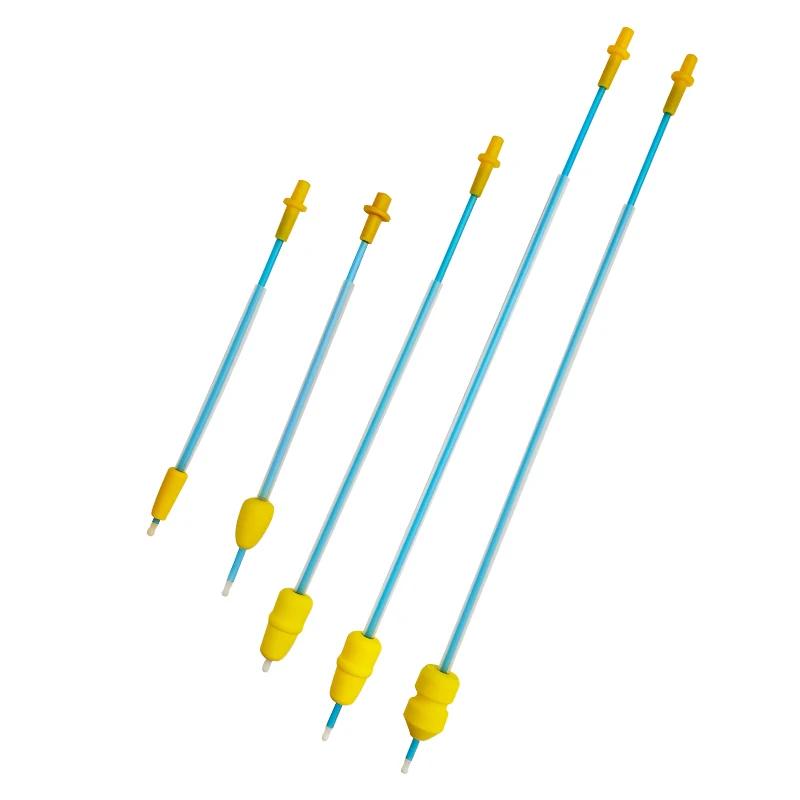
Disposable Artificial Insemination Tube Straw Cath...
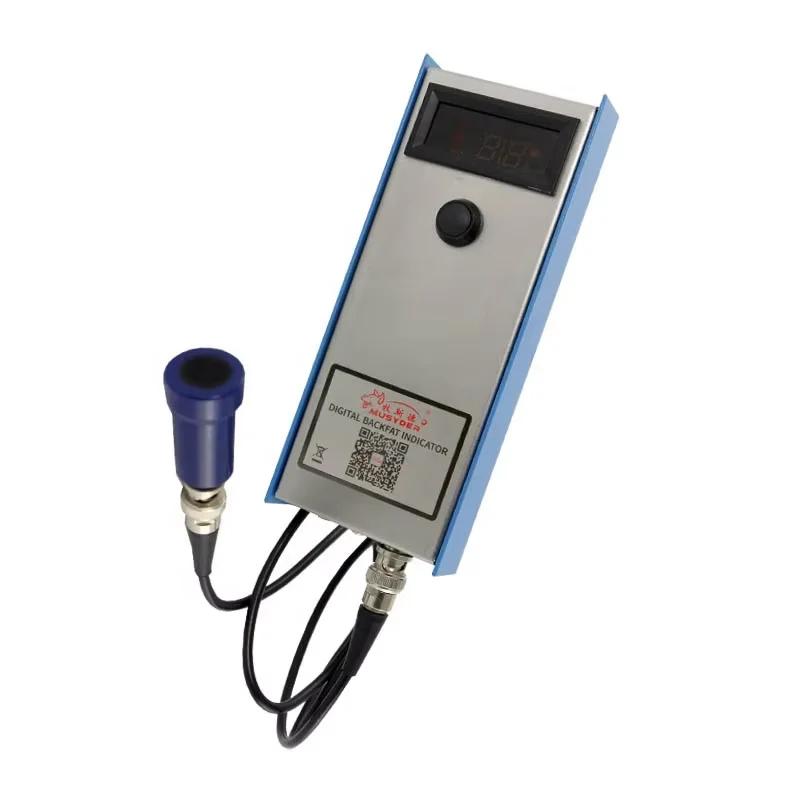
ECI-300 Renco Renko Backfat Indicator Backfat Test...
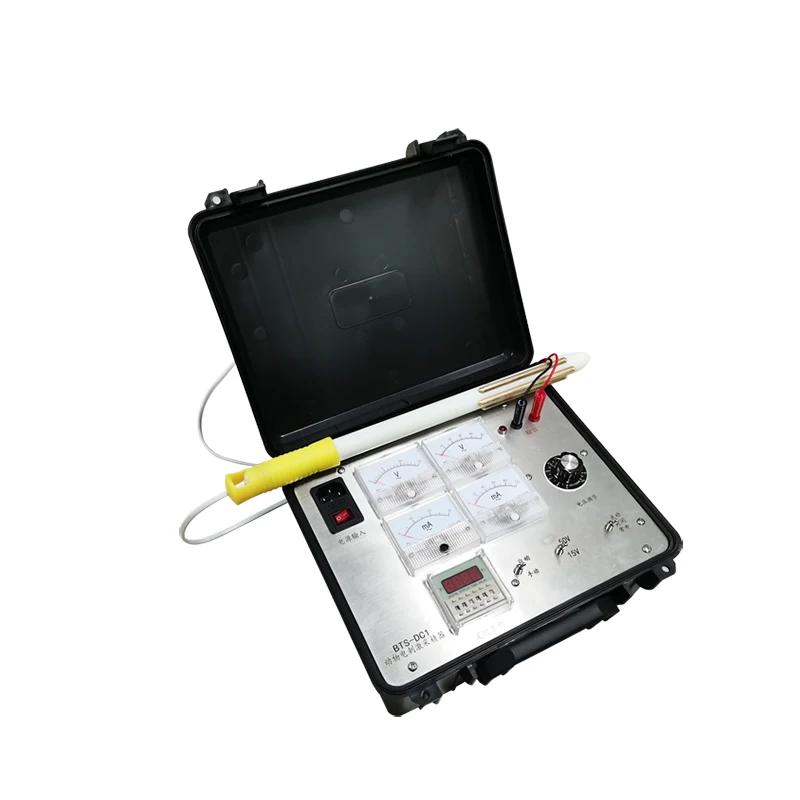
Animal Electric Stimulation Collect Semen Equipmen...
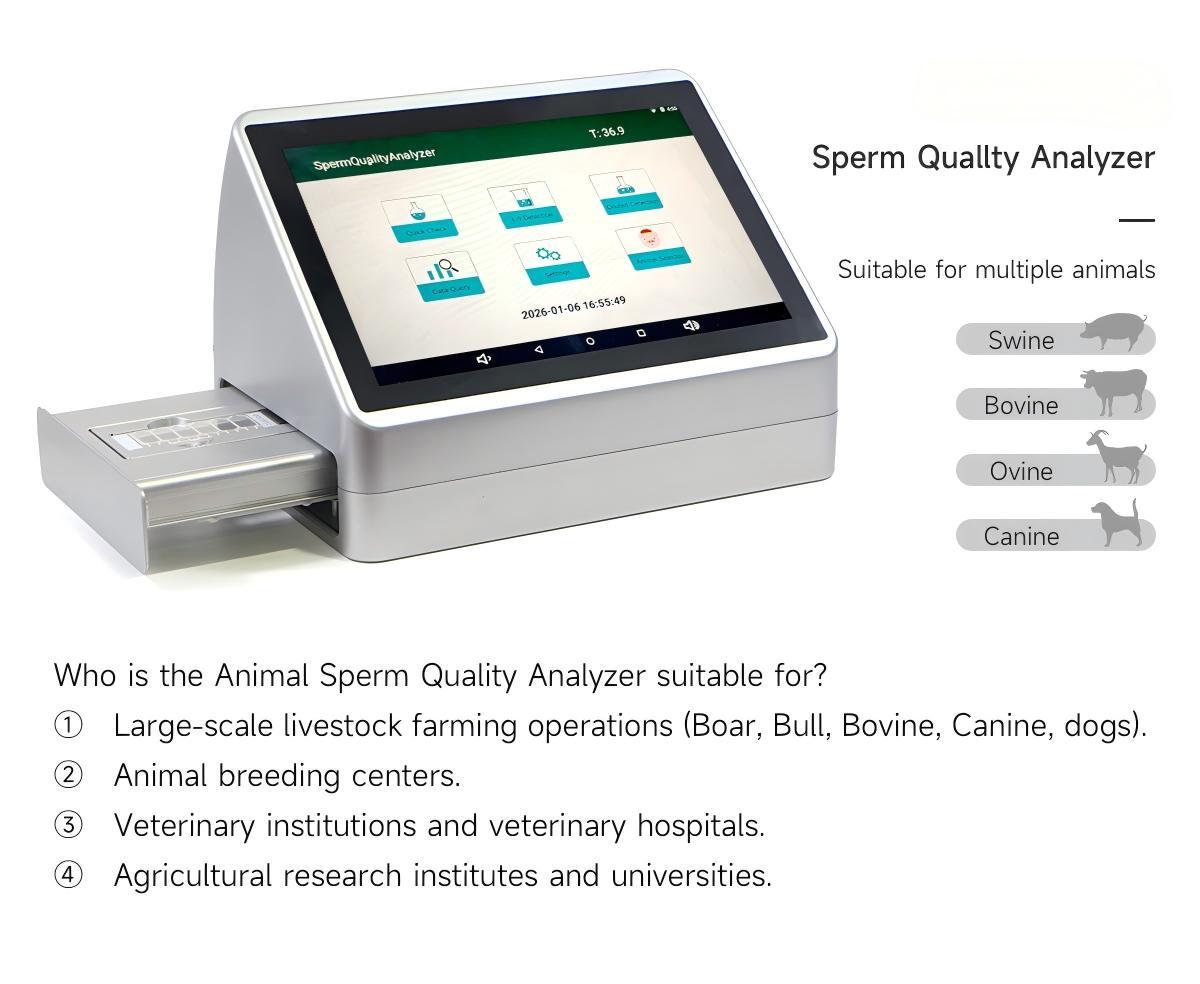
China Portable CASA Software System Sperm Quality ...
Swine Pig Boar Breeding Reproductive Solution
Bovine Bull Assisted Reproduction Breeding
Equine Reproductive Artifcial Insemination
OVINE/CAPRINE Breeding Reproduction Solutions
13509905234
+0755 25114
info@aispermanalysis.com
No.22 Jingxiu East Road,Life Science Park, Pingshan District,Shenzhen City,China
Copyright © 2015 aispermanalysis.com All rights reserved. Zhan Jiang AI SHEN SI Technology Co.,Ltd